
What we treat
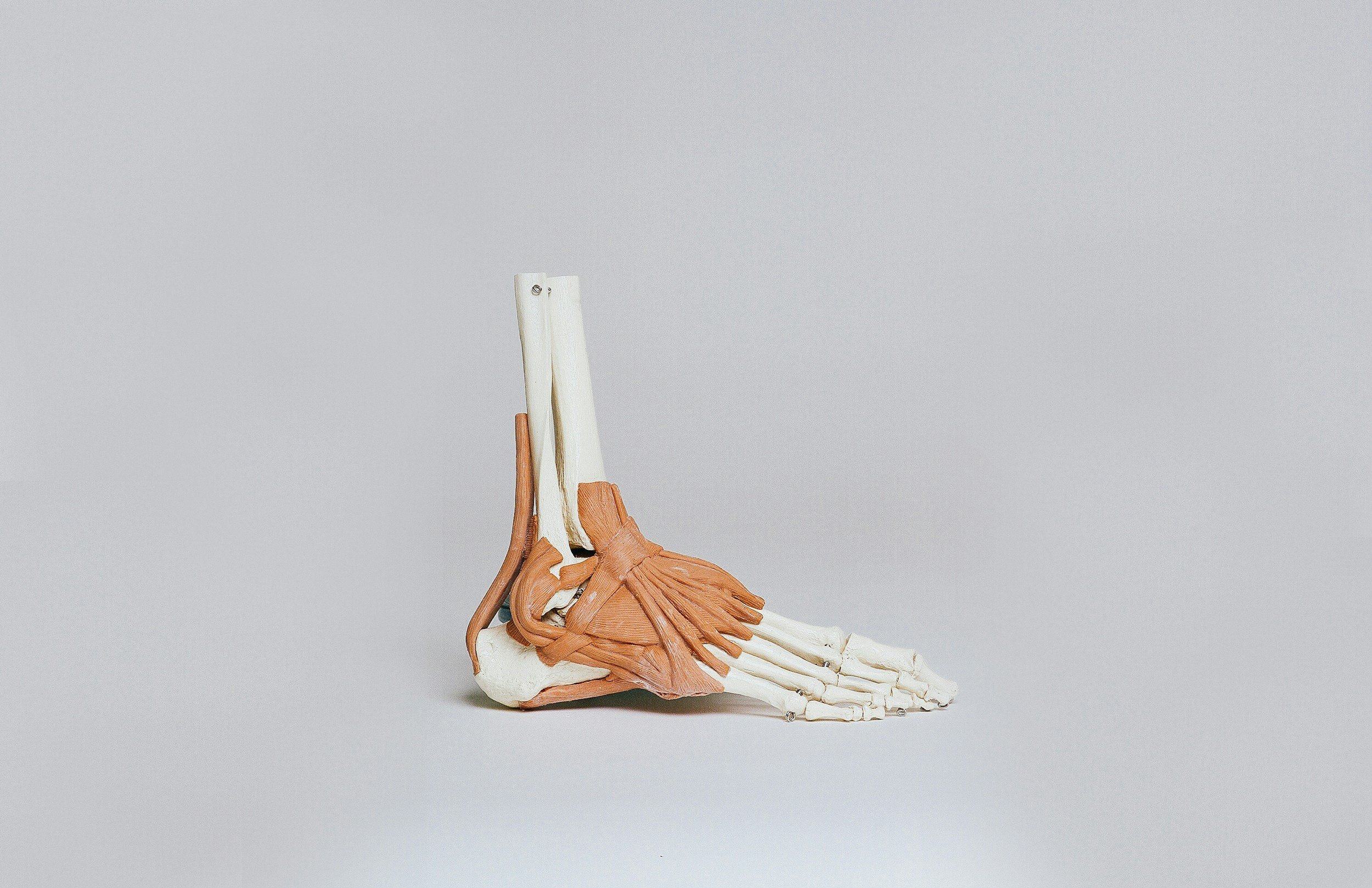
Pain and stiffness can come from almost anywhere in the body, often from places you wouldn't expect. Here's an overview of the conditions we see most often at Happy Movement, and how we approach each one.
-
Hips, knees, shoulders, ankles. Joint pain can significantly limit what you're able to do and how you feel day to day. It's also often very responsive to treatment, even in cases that have been going on for a long time.
We see patients with arthritic conditions, hypermobility, post-surgical rehabilitation, and general wear-and-tear. Whatever the diagnosis, the approach is the same: understand the whole picture, work with what you have, and find ways to keep you moving.
-
Many headaches, particularly tension headaches and those that build at the base of the skull, are closely linked to the neck, jaw, and upper back. Posture, stress, and restricted movement in the cervical spine can all play a role.
If you're getting frequent headaches and haven't found a clear cause, it's worth exploring whether the musculoskeletal system is a contributing factor. We work with tension and cervicogenic headaches, and also see patients where jaw tension is part of the picture.
-
Hormonal changes, pregnancy, postpartum recovery, and perimenopause can all affect the musculoskeletal system in ways that are often overlooked. Pelvic girdle pain, hip and lower back changes during and after pregnancy, and the general physical demands of different life stages are all areas we're interested in and experienced with.
If you're not sure whether what you're experiencing is something we can help with, just get in touch.
-
Whether you're a runner dealing with a recurring hamstring issue, a cyclist with knee pain, or a weekend footballer who's picked up a strain, getting back to what you love as safely and quickly as possible is the goal.
With a background in personal training and Pilates, treatment here goes beyond the injury itself. We look at movement mechanics, strength, and load management to help you return to sport well, reducing the chance of it happening again.
-
Back and neck pain is one of the most common reasons people seek osteopathic care, and one of the most treatable. Whether you've woken up with a stiff neck, developed chronic lower back pain from long hours at a desk, or are dealing with something more persistent, we'll take the time to understand exactly what's going on before we do anything else.
We look at posture, movement patterns, and the way different parts of your body are loading and compensating. Treatment usually combines hands-on work with practical guidance on movement, exercise, and day-to-day habits that can make a real difference long-term.
-
Nerve pain can be one of the most uncomfortable and unsettling things to experience. Whether it's a sharp, shooting pain down the leg, a burning or tingling sensation in the arm, or the kind of deep ache that's hard to locate, nerve-related symptoms can significantly affect your day-to-day life.
Sciatica is one of the most common presentations we see, usually caused by irritation or compression of the sciatic nerve in the lower back or buttock. But nerve pain can come from many sources, including disc problems, tight muscles, and restricted joints that place pressure on surrounding nerves.
Treatment focuses on reducing that irritation, restoring movement in the areas that are loading the nerve, and giving you the understanding and tools to manage it well going forward. Recovery from nerve pain can take time, and we'll always be honest with you about what to expect
-
Your pelvic floor does a remarkable amount of work. When it's not functioning well, it can affect far more than most people realise. This assessment is for anyone experiencing pelvic floor symptoms - not just those who have had children.
*An internal vaginal examination gives a far more accurate picture of pelvic floor function than external assessment alone. It is offered as part of this assessment but is never mandatory. We will explain exactly what it involves, answer any questions you have, and check in throughout. You are in control at every stage.
Not sure if we can help?
If your condition isn't listed here, it doesn't mean we can't help. Osteopathy has a broad scope and the initial consultation is a chance to properly assess what's going on and be honest with you about whether treatment is the right route, and if not, where to go instead.
Our approach
Good osteopathic care isn't just about what happens in the treatment room. It's about helping you understand your body well enough to take care of it yourself.
Movement is medicine
The core belief behind everything we do at Happy Movement is simple: more movement is almost always part of the answer. Not aggressive exercise, not pushing through pain. Finding ways to move that feel right for your body, at whatever stage you're at.
Pain often makes people cautious, and that caution can lead to less movement, which can make things worse. Part of our job is helping you understand what's safe, what's helpful, and what your body is actually capable of. Which is usually more than you think.
Understanding your pain
We're strong believers in pain education. The idea that understanding why you're in pain is itself part of getting better. Pain is rarely as simple as a structural problem in one place. It's influenced by stress, sleep, movement habits, history, and a dozen other things.
We take the time to explain what we think is going on in plain language, because patients who understand their condition tend to recover better and feel more confident in managing it.
Hands-on treatment as a tool
Osteopathic treatment, including soft tissue work, joint mobilisation and articulation, can play a genuinely useful role in recovery. It can reduce pain, improve range of movement, and help the body function better. But we see it as one tool among many, not the whole answer.
Our aim is never to create dependency on treatment. We'd rather you came for a handful of sessions, understood your body better, and felt equipped to manage things yourself. Coming back for a check-in when it's useful, rather than because you feel you have to.
An evidence-based practice
We're grounded in the current evidence on musculoskeletal health, pain science, and rehabilitation. That means being honest about what treatment can and can't do, recommending exercise and movement alongside hands-on care, and staying current with the research.
We also believe that complementary approaches, including Pilates, mindful movement and breathing work, can support recovery in ways that purely clinical treatment sometimes can't. The two aren't in conflict. The best outcomes usually come from combining them thoughtfully.
It's never too late to start
One of the things we hear most often is some version of "I've had this for years, I assumed nothing could be done." In our experience that's rarely true. Whether you're 25 or 75, whether the problem started last week or a decade ago, there's almost always something useful we can do, even if it's just helping you understand what's going on and giving you tools to manage it better.
How a session works
Your first appointment is 60 minutes. We spend the first part taking a thorough case history: your symptoms, your history, your lifestyle, what you've already tried. Then a physical assessment, which might include watching you move, testing range of motion, and orthopaedic tests where relevant. Then treatment, and at the end, a clear explanation of what we found and what we suggest next.
Follow-up appointments are 45 minutes. There's no set number of sessions. We'll tell you honestly what we think is needed and why.